
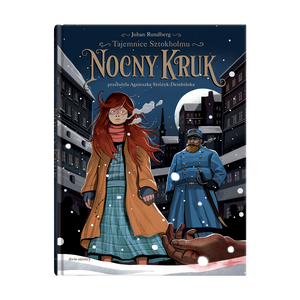
Siostrzeństwo Opowieści
Dziewczyny mają moc – ale nie zawsze w to wierzą.
A my wierzymy w moc literatury. Dlatego powołaliśmy do życia Siostrzeństwo Opowieści. Pod tym szyldem wydajemy książki o dziewczyńskiej sile, sprawczości i solidarności – historie, które pomogą nastolatkom poczuć grunt pod nogami.
Spotkacie w nich dziewczyny, które stawiają czoła przeciwnościom, uczą się szukać sprzymierzeńców i wytrwale dążą do celu, odkrywając w sobie siłę i śmiałość. Wyraziste, inspirujące bohaterki, z którymi łatwo się utożsamić, i historie, w których w różnych wcieleniach pojawiają się znane nastolatkom wyzwania: poszukiwanie własnej tożsamości, zmagania ze stereotypami, nierównym traktowaniem, przemocą w internecie. Chcemy, by te książki i związane z nimi działania były dla czytelniczek inspiracją i wsparciem.
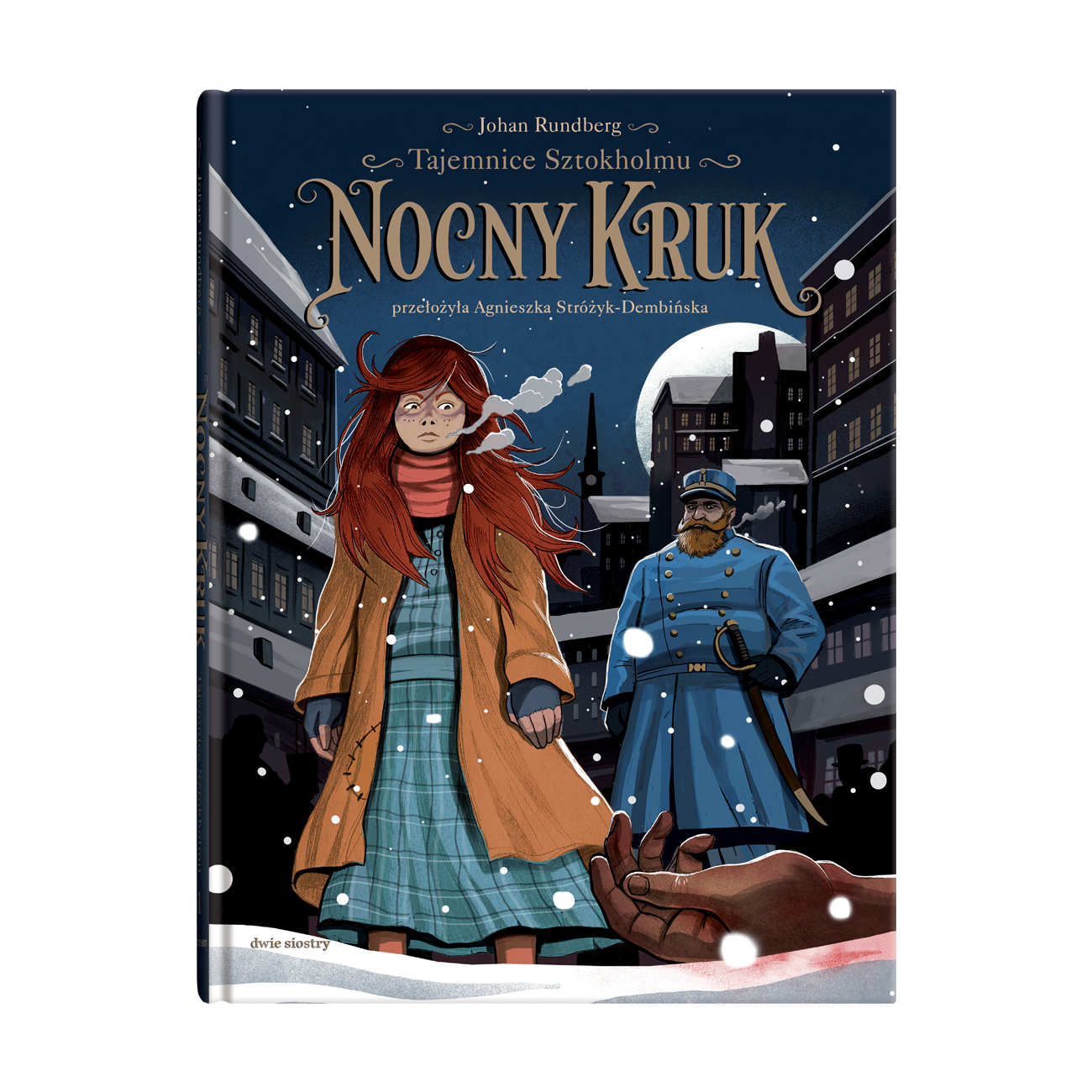
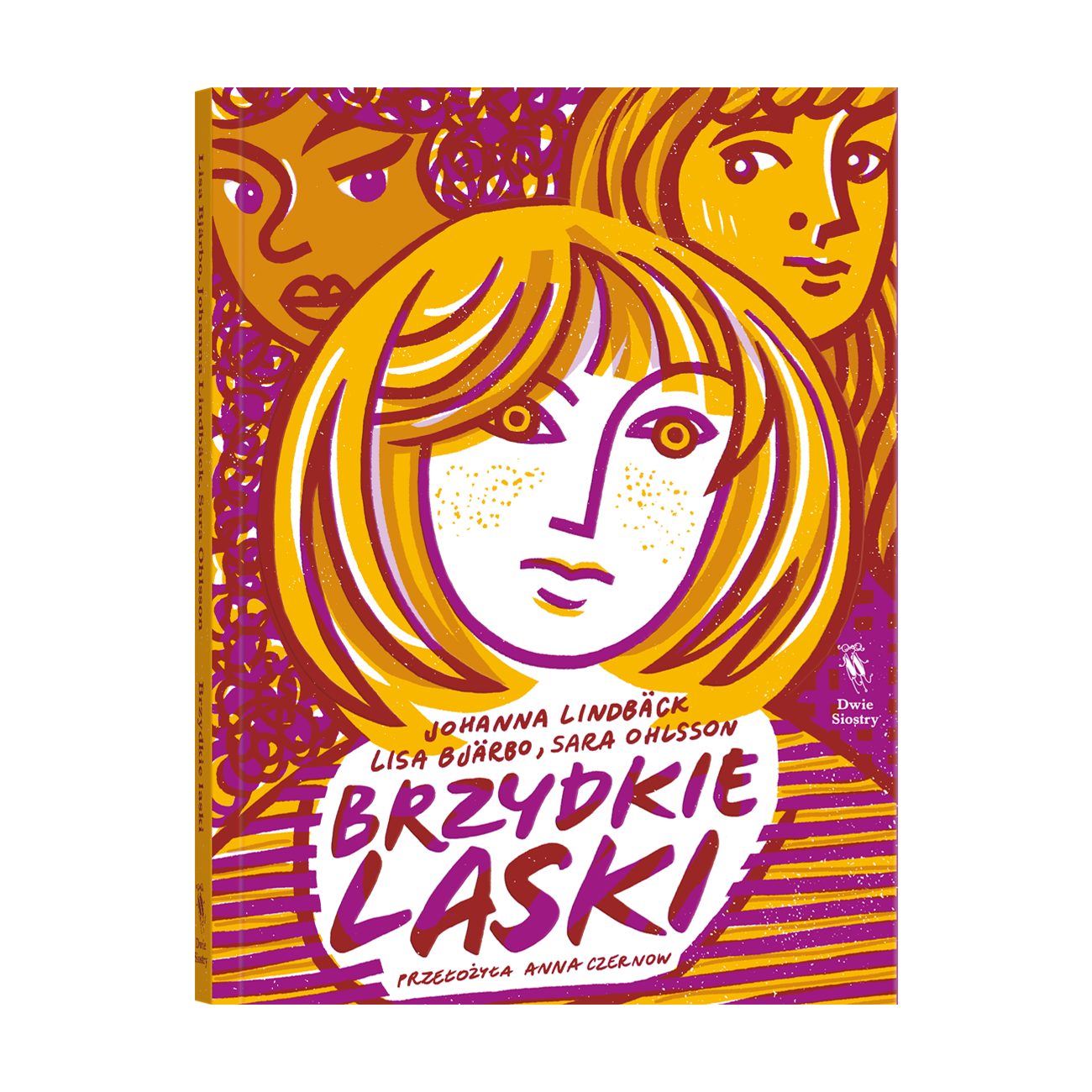
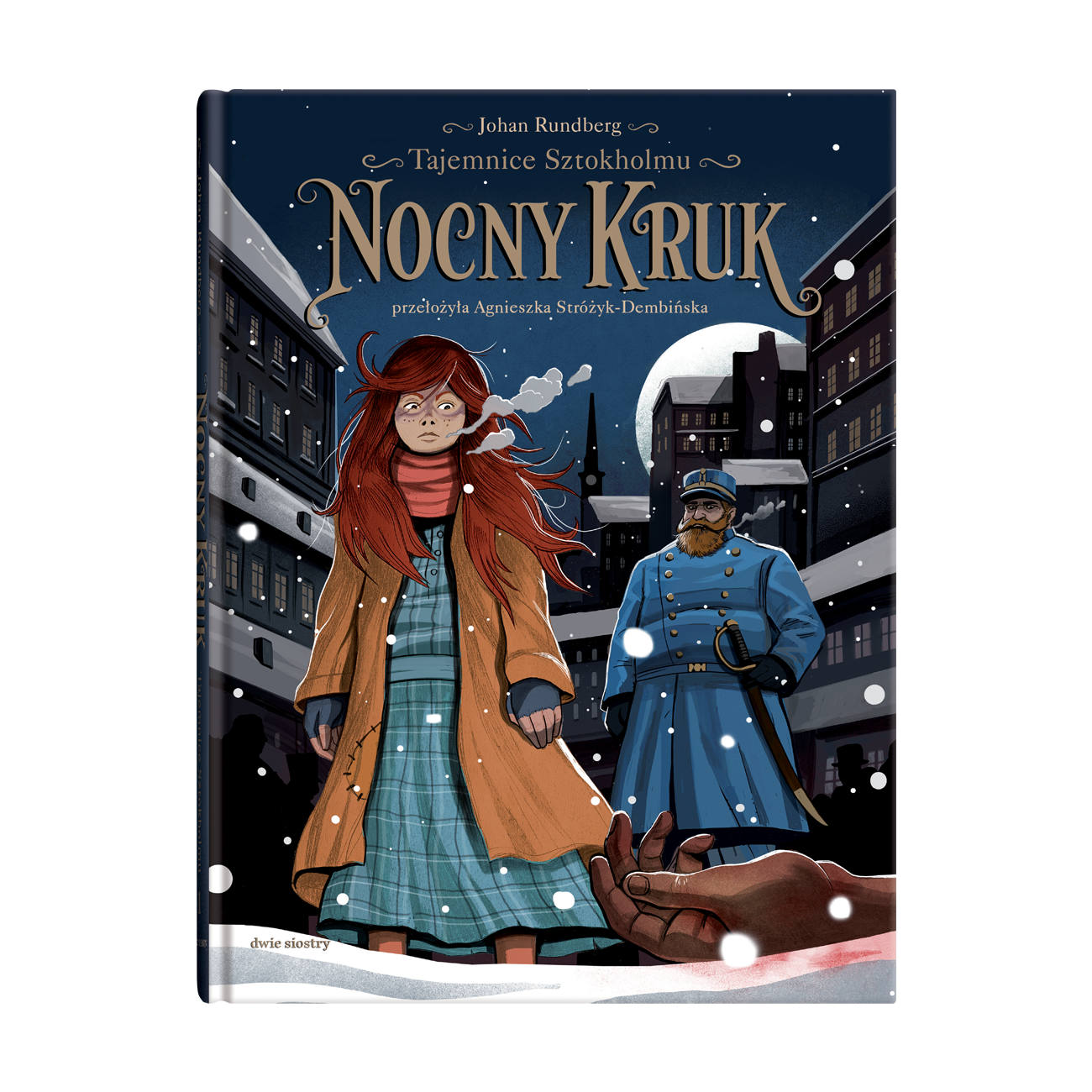
Z myślą o czytelniczkach i czytelnikach w wieku od 11 do 16 lat szukaliśmy wartościowych, angażujących, dobrze napisanych książek, które pomogą nastolatkom poznać inne rejony literatury niż najbardziej popularne gatunki, tłumaczone zwykle z angielskiego. Dlatego też w ramach projektu ukaże się osiem powieści oraz komiks cenionych autorek i autorów szwedzkich, niderlandzkich i francuskich, wszystkie w przekładzie znakomitych polskich tłumaczek.
Ale Siostrzeństwo Opowieści to także spotkania z autorkami, autorami i tłumaczkami, warsztaty i webinary skierowane nie tylko do młodzieży, lecz również do dorosłych. Mamy nadzieję, że staną się okazją do inspirujących rozmów i pogłębiania świadomości współczesnych problemów młodych ludzi.
Bo siostrzeństwo to nie tylko zaglądanie w lustro literatury – to realna więź, wspólnota i wsparcie w drodze do dojrzałości.
Projekt Siostrzeństwo Opowieści jest współfinansowany przez Unię Europejską w ramach programu Kreatywna Europa.
Dofinansowane ze środków UE. Wyrażone poglądy i opinie są jedynie opiniami autora lub autorów i niekoniecznie odzwierciedlają poglądy i opinie Unii Europejskiej lub Europejskiej Agencji Wykonawczej ds. Edukacji i Kultury (EACEA). Unia Europejska ani EACEA nie ponoszą za nie odpowiedzialności.
Sisterhood of Stories
Girls have power – but they don't always believe it.
And we believe in the power of literature. That is why we created Sisterhood of Stories. Under this banner, we are publishing books about girls' strength, agency, and solidarity – stories that will help teenagers feel solid ground beneath their feet.
In these books, you’ll meet girls who face adversity, learn to seek out allies and persistently pursue their goals, discovering strength and courage within themselves. You will find vivid, inspiring heroines that readers can easily identify with, and stories that explore challenges familiar to many teenagers: searching for their identity, confronting stereotypes, dealing with unequal treatment and facing online abuse. We hope these books, together with the events and activities surrounding them, will inspire and support young readers.
With readers aged 11 to 16 in mind, we searched for valuable, engaging, well-written books that would help teenagers discover areas of literature beyond the most popular genres, which are usually translated from English. That's why, as part of the project, we will publish eight novels and one graphic novel by acclaimed Swedish, Dutch, and French authors, all translated by outstanding Polish translators.
But Sisterhood of Stories is not only a publishing programme. It also includes meetings with authors and translators, as well as workshops and webinars for both young people and adults. We hope these events will inspire meaningful conversations and deepen awareness of the issues affecting young people today.
Because sisterhood is more than seeing yourself reflected in literature—it is a real bond, a sense of community, and mutual support on the journey to adulthood.
Sisterhood of Stories is co-funded by the European Union through the Creative Europe programme.

Co-funded by the European Union. Views and opinions expressed are however those of the author(s) only and do not necessarily reflect those of the European Union or the European Education and Culture Executive Agency (EACEA). Neither the European Union nor EACEA can be held responsible for them.